
Brand Activation
Physical brand experiences turn space into brand evidence
Retail moments, pop-ups, sponsorships, displays and branded environments designed around what people should understand, feel and do.
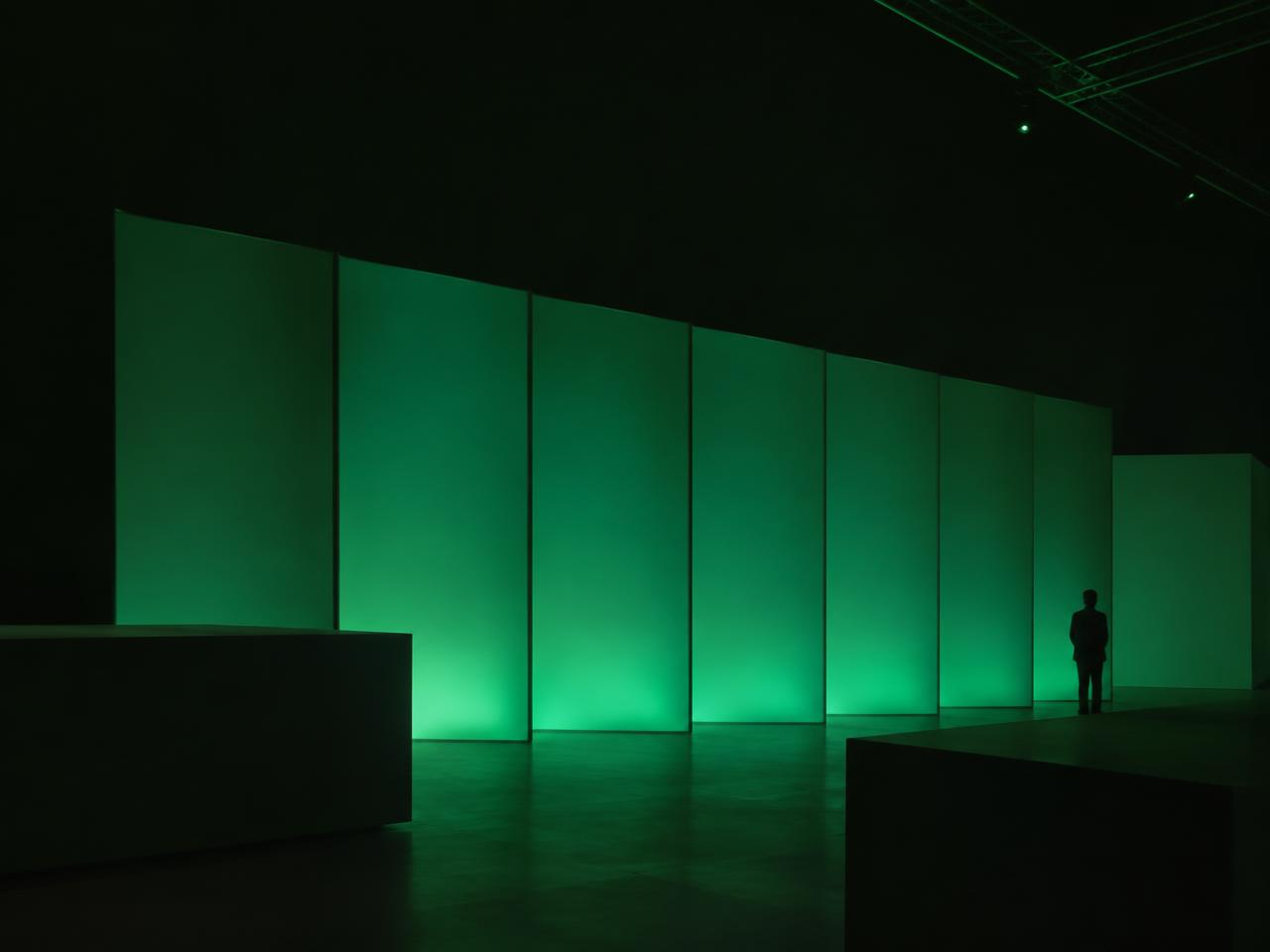
Where do customers actually experience a brand?
A physical brand experience is any designed environment or real-world touchpoint through which people encounter a brand directly. It can include a retail or on-premise space, pop-up, sponsorship presence, product display, installation, signage system or customer environment. Its purpose is to turn brand strategy into a consistent experience people can move through, use and remember.
The situation we usually walk into
The brand is clear on the website and in campaign work, but less controlled in the physical world. Spaces, displays, signage and sponsorship assets have been developed by different vendors at different times, often without one view of the full customer experience.
What it costs the business
Physical touchpoints carry their own form of proof. A space can reinforce the quality and character the company claims, or create doubt before a conversation begins. When each environment is handled as a separate design job, recognition weakens, standards drift and the customer is left to reconcile several versions of the brand.
- Physical environments no longer reflect the current brand
- Sponsorship value begins and ends with logo placement
- Displays and signage are designed independently of the customer journey
- Different locations or partners interpret the brand in different ways
- No one owns the standard across physical touchpoints
Signs your physical brand experience needs work
- The physical environment feels disconnected from the wider identity
- People can see the brand but have little reason to engage with it
- Vendors receive assets without enough guidance on how to apply them
- Temporary and permanent spaces follow different standards
- New locations require the same decisions to be made again
How we design a physical brand experience
01
Map the moment
We examine the setting, audience, operational realities and every point at which someone will encounter the brand before, during and after the experience.
02
Define the experience
We establish what people should understand, feel and do, then connect that objective to the wider brand strategy, identity and any relevant campaign idea.
03
Design the physical system
We develop the environmental creative, signage, displays, point-of-sale materials, interaction cues and supporting assets as one connected system that can work within the space.
04
Coordinate production and application
We prepare the specifications and work with trusted fabrication, print, wayfinding and installation partners to bring the design into the environment. For multiple sites or partner-led spaces, we can also create standards and adaptable tools that protect consistency.
Want to talk through physical brand experiences for your business?
What changes
Before
- Physical touchpoints developed as unrelated projects
- Spaces that display the brand without expressing it
- Quality changing from one location or vendor to the next
After
- A connected experience built around the audience and setting
- Physical details reinforcing the wider brand direction
- Clearer standards for partners, vendors and future locations
Related services
Brand Launch
Internal readiness, customer communication, launch creative and physical moments planned as one rollout.
Branded Merchandise
Merchandise planned as a brand, audience and business tool, with strategy, creative and program delivery connected from the start.
Brand Campaigns
They give the business one idea to take to market, aligning marketing, sales and media around what the audience should understand, remember or do next.
Events & Trade Shows
Event strategy, creative and physical assets designed around the conversations, participation and business outcomes the space needs to support.
Questions we get asked
Give the brand a physical form
Tell us where the brand needs to live and what people need to experience there. We’ll help connect the space, creative and practical execution.